"Non-toxic" is one of the most abused terms in the household aisle. It has no legal definition under Irish or EU consumer protection laws—meaning any manufacturer can print it on a bottle without verifying a single health standard. This guide cuts through the marketing fluff, checking chemical claims directly against EU Detergent Regulation ingredient disclosures and the EWG Skin Deep toxicology database.
Why "Non-Toxic" Means Nothing Without a Standard
In the EU, cosmetics are heavily regulated under the EU Cosmetics Regulation, mandating strict safety assessments for everything that touches our skin. Household cleaning products, however, fall under different rules. The EU Detergent Regulation (EC 648/2004) focuses primarily on surfactant biodegradability and basic labeling disclosures—it does not ban ingredients known to trigger eczema or respiratory issues from appearing in laundry products.
This massive regulatory gap explains why a detergent containing complex fragrance mixes rated D or F on toxicology databases can sit on an Irish supermarket shelf branded as "eco-pure" or "non-toxic". The term reflects green marketing, not medical safety.
---Our Assessment Framework
To establish a clean and trustworthy baseline, we grade detergents using two core scientific tools:
1. The EWG Skin Deep Database
The Environmental Working Group (EWG) rates individual chemical compounds from A (low hazard) to F (high hazard) based on peer-reviewed toxicological studies. We strictly favor formulations where every single surfactant, builder, and preservative rates as an A or B.
2. EU Detergent Regulation Disclosures
Under EU rules, manufacturers must provide a complete ingredient datasheet online. If a brand hides behind vague catch-all labels like "anionic surfactants" on their packaging and fails to provide a clear, public CAS-numbered ingredient sheet, they are instantly excluded from our recommendations.
Chemicals to Blacklist: The "Sinister Five"
When reviewing the backs of bottles, keep an eye out for these five widespread skin and environmental toxins:
- ✕ Synthetic Fragrance (Parfum): A single line of "parfum" can contain dozens of undisclosed synthetic chemicals. Many of these are documented allergens linked to contact dermatitis and endocrine disruption.
- ✕ Optical Brighteners (FWAs): These compounds (like Tinopal CBS-X) do not clean your clothes. Instead, they deposit a microscopic fluorescent chemical film onto fibers to reflect blue light and trick your eyes into seeing brighter whites. This residue stays locked in fabric, rubbing directly against your skin barrier.
- ✕ 1,4-Dioxane: This is a highly carcinogenic chemical byproduct created during "ethoxylation" (the process used to make harsh surfactants like Sodium Laureth Sulfate milder). It is frequently found in trace amounts in conventional liquid detergents.
- ✕ Quaternary Ammonium Compounds (Quats): Commonly used in conventional fabric softeners and 2-in-1 detergents to reduce static. Quats are known respiratory sensitizers that can trigger asthma and irritate sensitive skin.
- ✕ Methylisothiazolinone (MIT / MI): A highly sensitizing preservative used to prevent bacterial growth in water-based liquids. While banned in EU "rinse-off" cosmetics like body washes, it is still legally permitted in laundry detergents, where it often triggers severe allergic reactions.
The Non-Toxic Honor Roll: Tested & Approved
We analyzed the formulations of the top eco and hypoallergenic detergents sold in Ireland to see how they perform under scientific scrutiny.
| Brand & Variant | EWG Rating | Optical Brighteners | Preservative System | Irish Availability |
|---|---|---|---|---|
| Bio-D Laundry Liquid | A (Excellent) | None | Potassium Sorbate | Health Shops / Online |
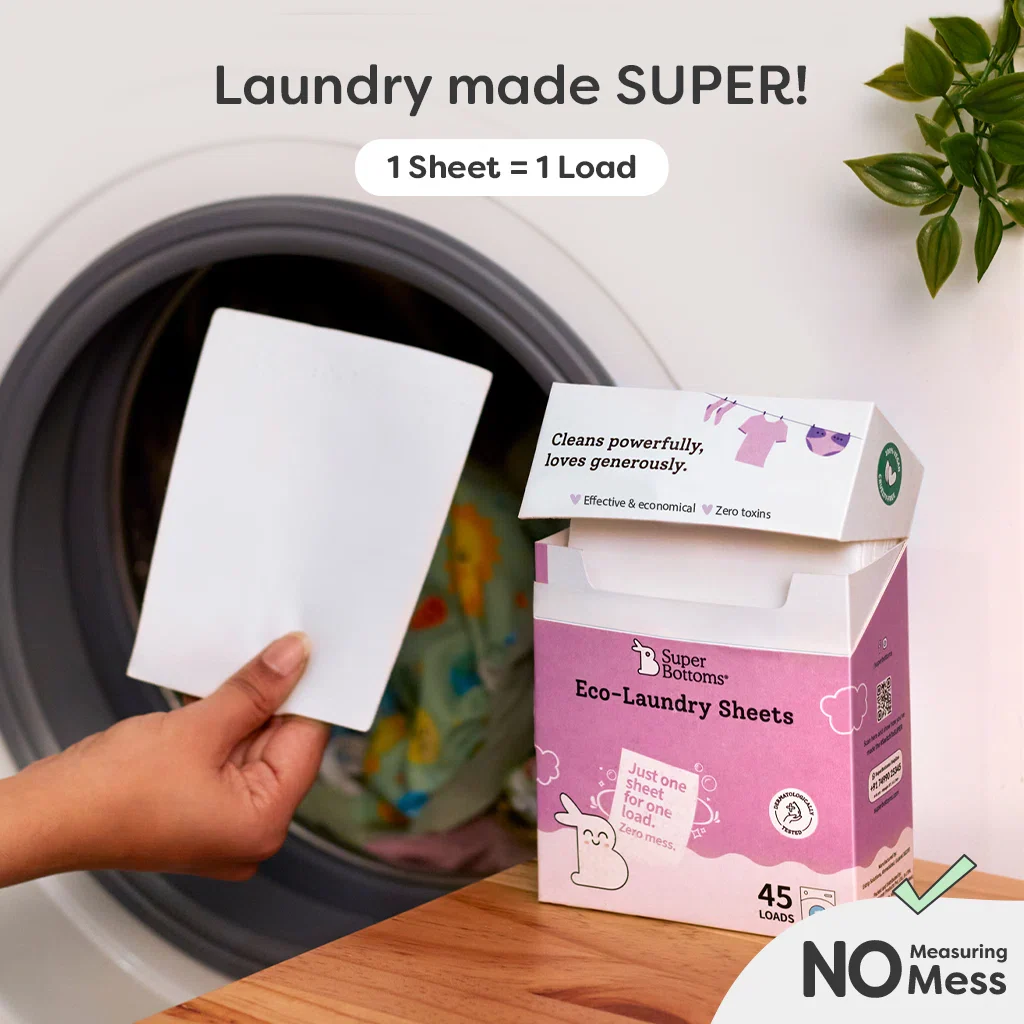
| Earth Breeze (Unscented) | A (Excellent) | None | None (Dry Sheet format) | Online (Direct Delivery) |
| Ecover Zero (Liquid) | A- (Very Good) | None | Potassium Sorbate | Supermarkets (Dunnes / SuperValu) |
| Tru Earth (Hypoallergenic) | A (Excellent) | None | None (Dry Strip format) | Eco-Shops / Online |
| Lilly’s Eco Clean (Non-Bio) | B (Good) | None | Sodium Benzoate | SuperValu / Health Shops |
Is "Plant-Based" Actually Safer?
A common greenwashing trap is equating "plant-based" with "non-toxic". Plant-derived compounds are not inherently safe for human skin. For example, essential oils like limonene, linalool, and geraniol are completely natural botanical extracts, yet they are also highly documented skin allergens that can trigger severe eczema.
Conversely, a synthetic surfactant like Sodium Coco Sulfate is carefully engineered in a laboratory, but it carries a highly favorable EWG A rating because of its exceptionally low hazard profile and excellent skin tolerance. Always judge an ingredient by its toxicological data, not whether it was grown in a field.
---How to Transition to a Zero-Residue Laundry Routine
If you are swapping conventional laundry detergent for a non-toxic alternative, your washing machine likely has a significant buildup of synthetic fragrance oils, optical brighteners, and fabric softener residues clinging to the drum and pipes. To get the best results from your new clean detergent, we recommend completing a machine detox:
- The Vinegar & Soda Cleanse: Add 500ml of white vinegar and 100g of bicarbonate of soda directly into the empty drum.
- Sanitize Cycle: Run a hot wash cycle (ideally at 90°C) to break down and flush out lingering oily chemical residues.
- Clean the Drawer: Slide out the detergent drawer and scrub away any mold or congealed fabric softener.
Ready to upgrade your entire kitchen routine? Our curated guide on the best eco-friendly washing up liquids applies the exact same chemical-audit standards to Irish dishwashing brands.
Eco Washing Up GuideFrequently Asked Questions
It is an unregulated marketing term in Ireland and the EU. Any brand can use it without meeting a defined legal standard. The EWG Skin Deep database remains the most reliable independent standard, as it rates individual ingredients from A to F based on peer-reviewed toxicology data.
No. Plant-derived does not automatically mean safe. Several botanical extracts and essential oils are documented skin allergens. Ingredient safety is determined by rigorous toxicological data, not botanical origin. A clean synthetic surfactant rated A is safer than a natural fragrance compound rated D.
We recommend avoiding synthetic fragrance/parfum (undisclosed allergen blends), optical brighteners (irritating chemical residues), 1,4-dioxane (a carcinogenic manufacturing byproduct), quaternary ammonium compounds (respiratory sensitizers), and isothiazolinone preservatives like MIT or BIT.

Related Guides
Regulatory & Toxicology References
- EU Detergent Regulation (EC) No 648/2004: Official European Union rules establishing strict biodegradability standards for surfactants and requirements for public online ingredient datasheets. EUR-Lex Document 32004R0648.
- Dermatological Fragrance Allergens: European Commission Regulation (EU) 2023/1545 amending Cosmetic Regulation Annexes to require labeling of expanded contact allergen ingredients. EU SCCS Opinions & Mandates.